Devil by the Sea – Nina Bawden (1976, 192 pages)
When I was a child I loved Nina Bawden’s books, particularly The Peppermint Pig and Carrie’s War, which a read and re-read. For some reason though, I never picked up her novels for adults. Ali has been championing her writing over on her blog Heavenali, and this prompted me to dig Devil by the Sea out of the Virago TBR (yes, the TBR is so humungous now there are TBR sub-piles) and give it a read.
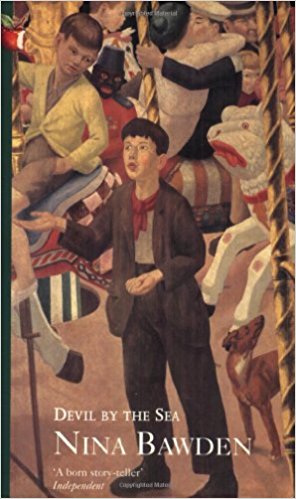
I’m happy to say that Bawden is just as wonderful writing for adults as she is for children. This creepy, tightly plotted tale is a compulsive read with plenty to say about human relationships – particularly those between adults and children – and the nature of feeling Other. It begins:
“The first time the children saw the Devil, he was sitting next to them in the second row of deckchairs in the bandstand. He was biting his nails.”
The children are Hilary and Peregrine. They are not happy, carefree children; Bawden would never be that patronising in her portrayal of young people. Instead, Hilary is jealous and angry, and can be petty. Peregrine is religious and anxious. They live in a seaside town all year round and it is holiday season. Their half-sister is having an affair with a vain married man who does not love her. Their father and step-mother are under-involved in the children’s lives. Their Auntie beachcombs and keeps the rotting fish she finds. Into all this comes a man they believe is the devil.
“The man turned and looked at them. A shadow crossed his face: like an animal, he seemed to shrink and cringe before the mockery Hilary had made of him […] He continued to watch her with a steady, careful stare. She fumbled in the pocket of her cotton dress. Her voice croaked with embarrassment.
‘Would you like a toffee?’
The man looked beyond her to Peregrine. Briefly, their eyes met. Peregrine could not look away, he was transfixed. The man’s eyes were dark and dull, dead eyes without any shine in them. They reflected nothing.”
A child with the unfortunate moniker of Poppet goes missing, and Hilary saw the man lead her away.
“Poppet’s picture was in the middle of the front page and Hilary looked at it with interest….She read the first few lines beneath the picture and a dark veil came down over her eyes. Her heart beat wildly in her throat. Something cold and evil menaced her from the shadowed corners and for a while she crouched quite still, as if afraid to wake a sleeping beast.”
The fact that this evidence is not easily voiced for the situation resolved is due to the misunderstanding and myth-making of children; the obliviousness and myopia of adults; the fear of everyone.
Despite being a gothic tale in many ways, Devil by the Sea is wholly believable. This is not least because Bawden is not interested in making her characters likable, but rather real, complex, flawed and fascinating. It is creepy and captivating and deeply unsettling. On the strength of this, I will definitely be reading more of Bawden’s adult fiction, not least because I was lucky enough to win The Birds on the Trees in Ali’s giveaway last year 🙂

 madame bibi lophile recommends