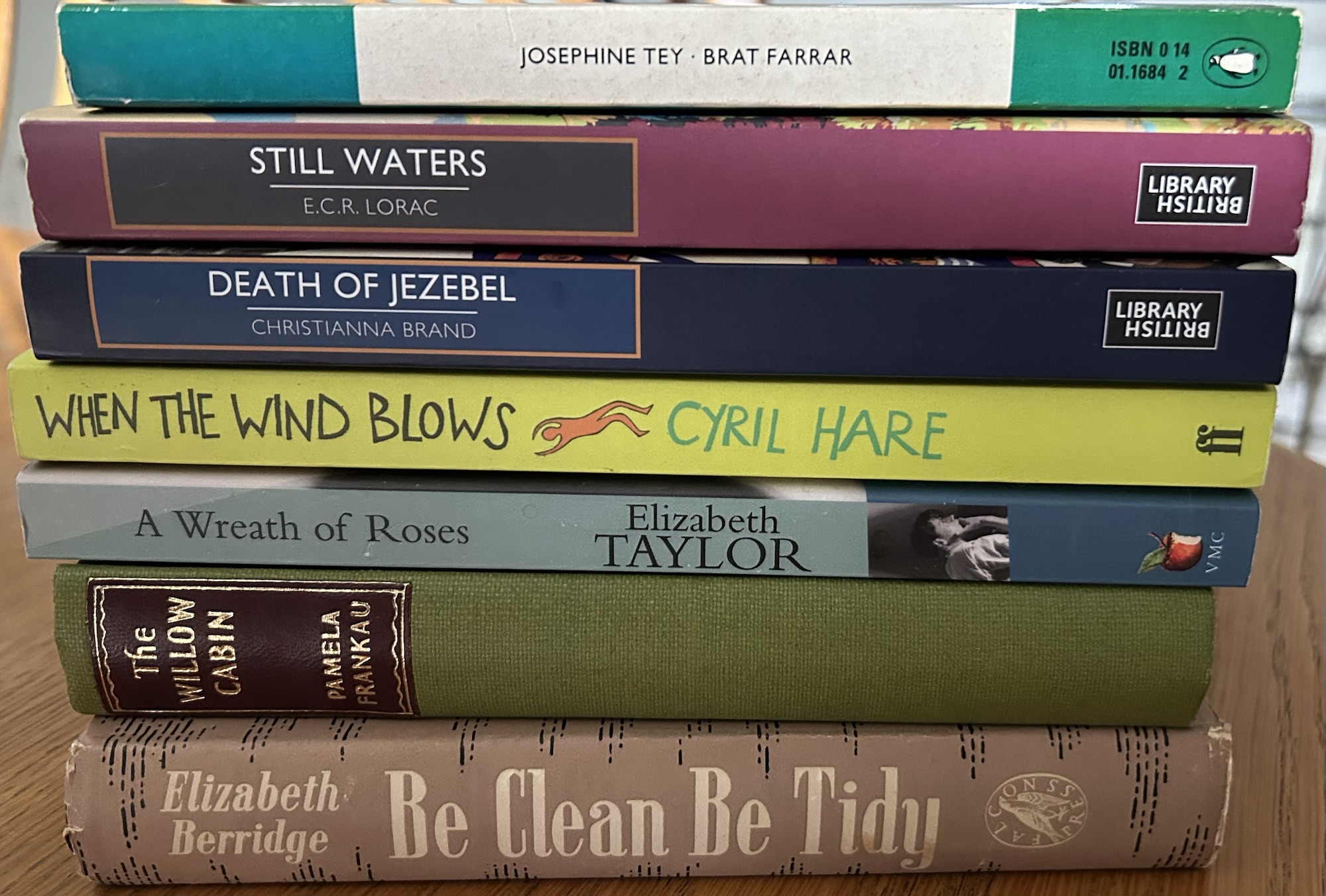
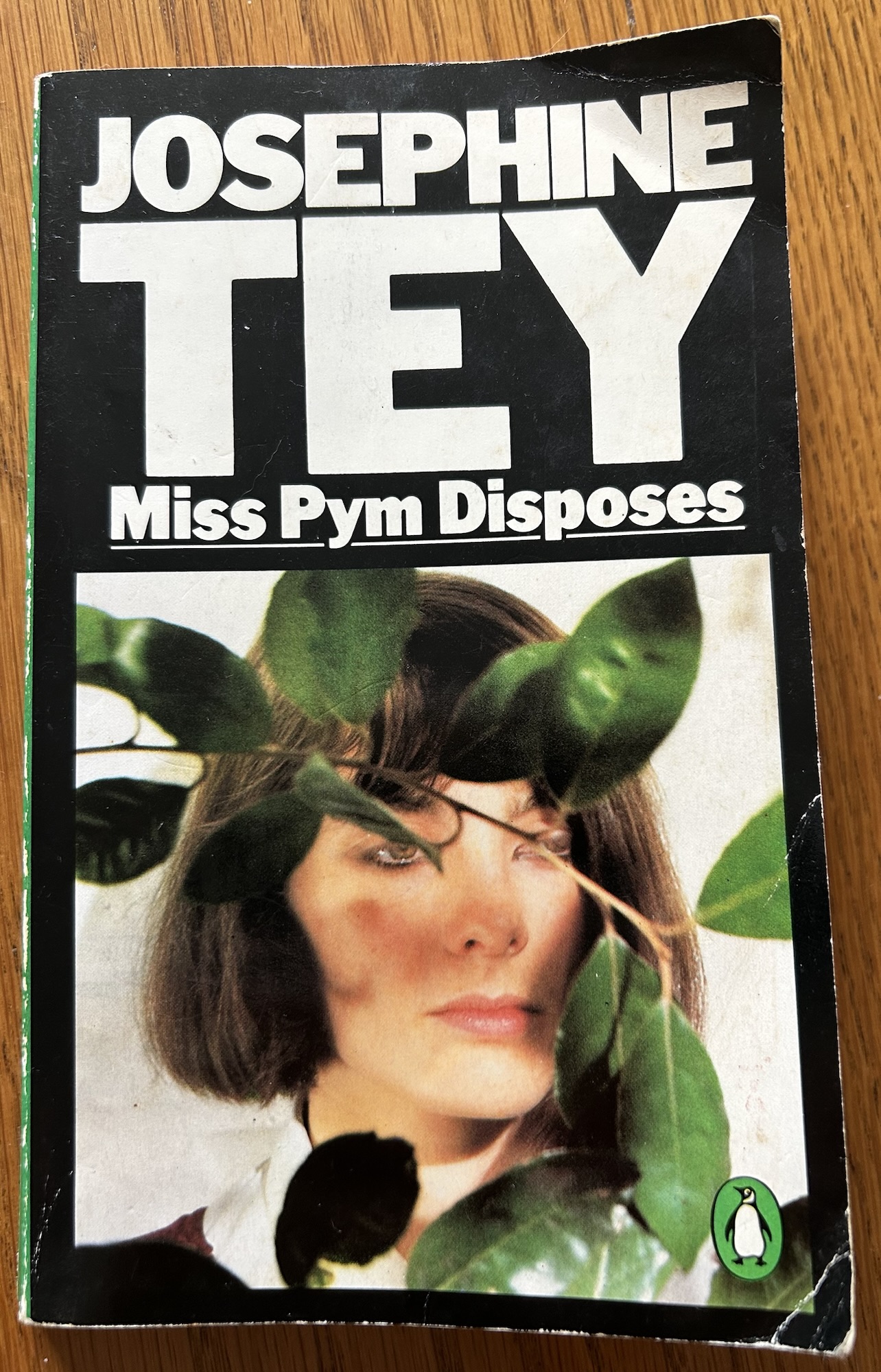
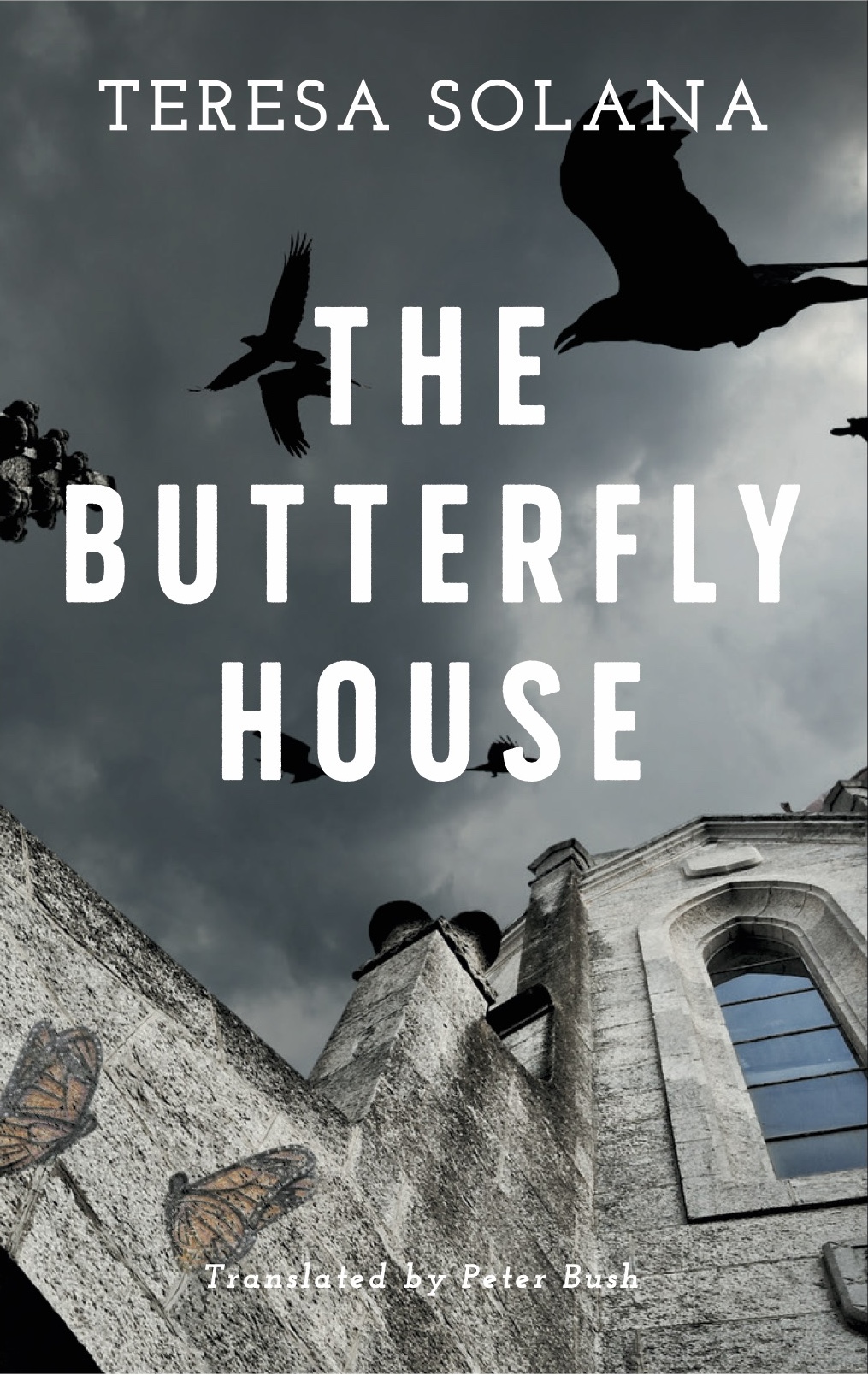
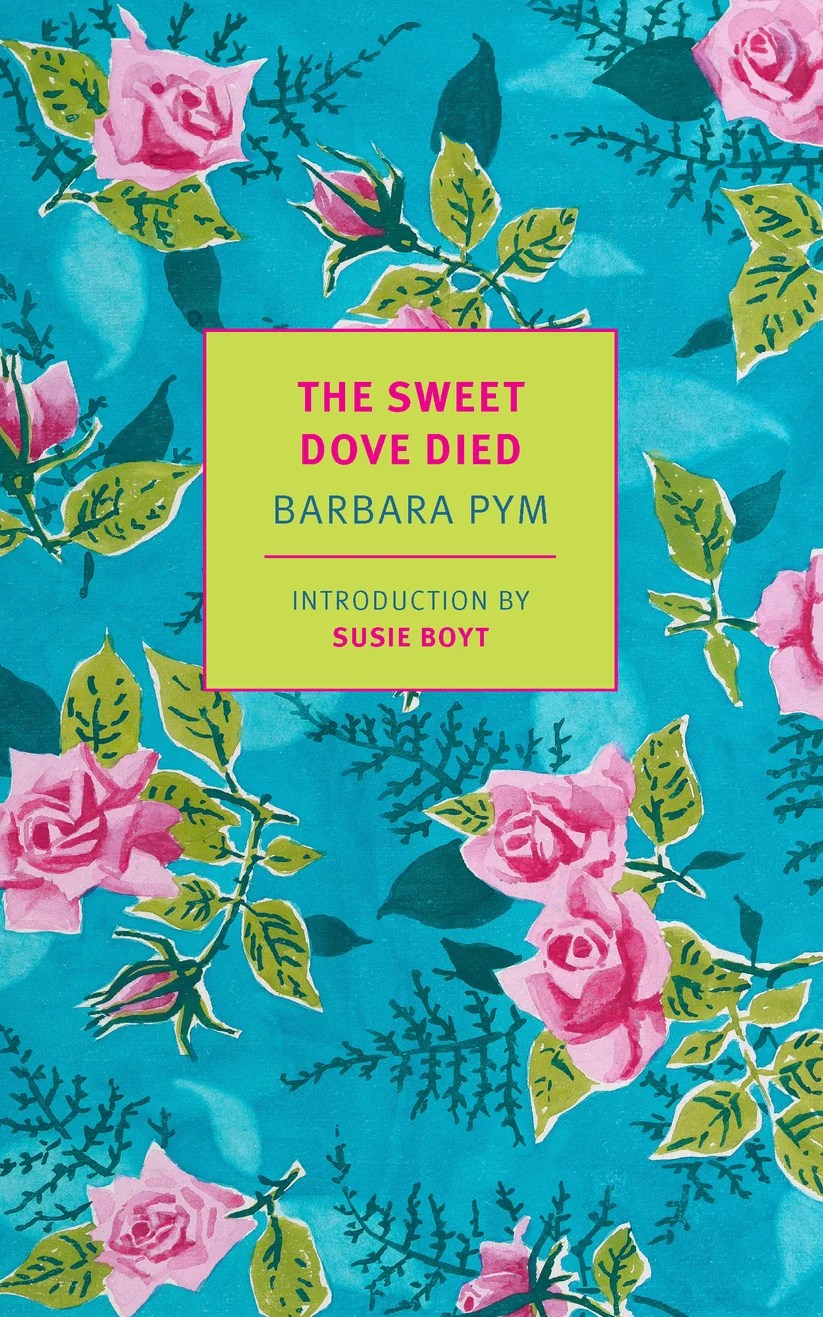
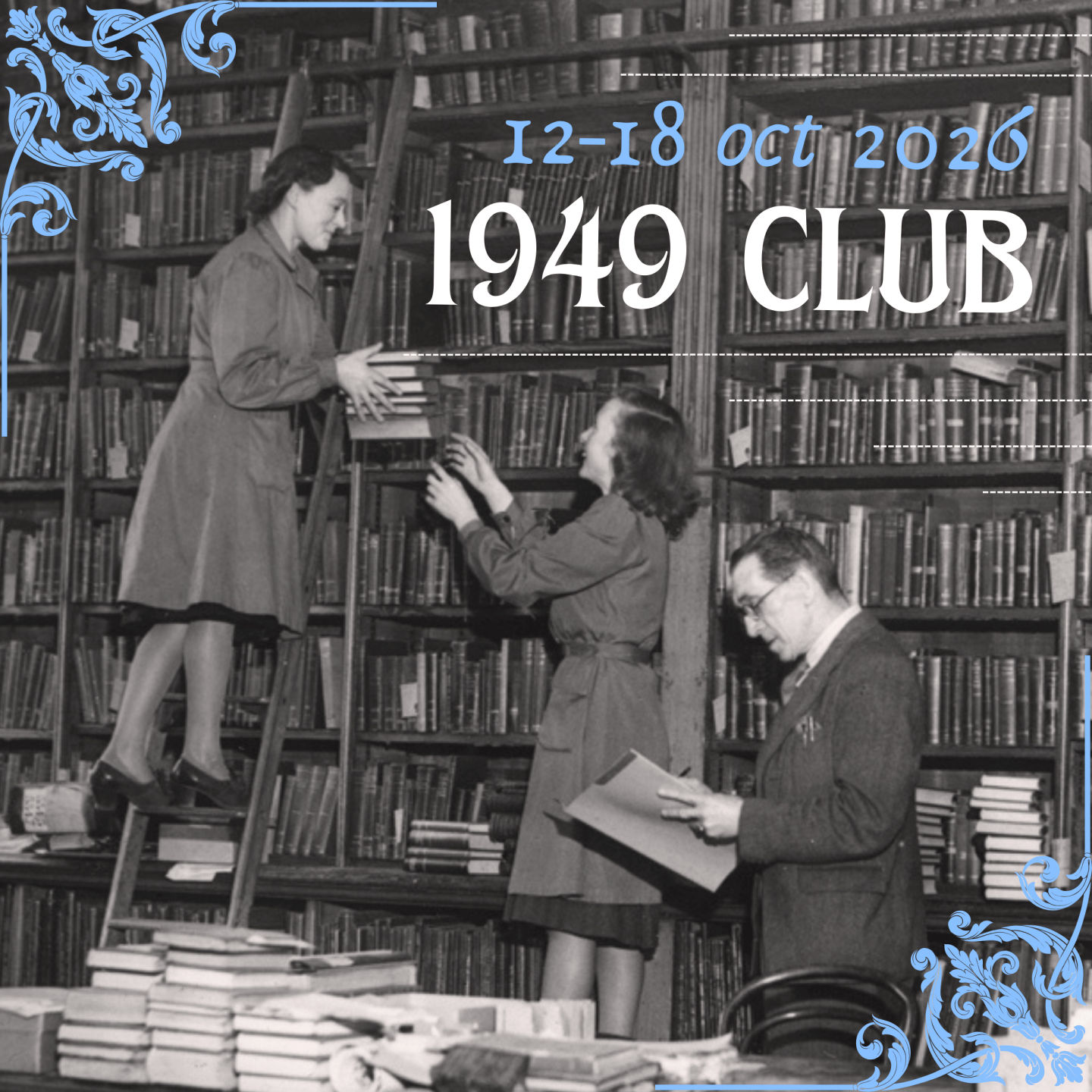
After a slight disappointment previously with Death of Jezebel, I wanted a sure-fire winner to continue my 1949 Club reading. hosted by Kaggsy and Simon, and where better than a Persephone Book? Number 33 is The Far Cry by Emma Smith, which I really enjoyed.
Teresa is a young teenager living with her unbending Aunt May. They constantly lock horns, while her father is an intermittent presence, and her mother… “Lilian was his second wife who, for 10 years, had pleased everyone by living in America.”
One day, Teresa and May are in usual domestic conflict, when everything changes:
“As this was plainly a lie, the fright increased. Teresa’s face appeared to go even thinner and Aunt May’s face to grow fatter, in the same way as the qualities of light and shade alter immediately before a thunderstorm. However, no storm broke as at that moment Teresa’s father arrived.”
Randall Digby, her father, has decided to take Teresa to India, where her half-sister Ruth is living in Assam with her tea-planter husband. Mr Digby is doing this to spite his ex-wife, who he believes is returning to England to take Teresa back. Teresa isn’t asked her preference regarding her living arrangements.
Smith isn’t afraid to make her characters unlikable: May is inflexible, Teresa is volatile and spiky, and Mr Digby is vain and self-indulgent. Yet the author shows compassion towards her characters:
“The tender gesture she needed from her father he was unable to give, having for too long expected tender gestures from others, and for too long been disappointed. It was difficult to imagine anyone loving Mr Digby: he was not lovable. Nor was Teresa.”
The two of them set sail from Southampton. Smith was part of a documentary team for the BBC who had gone to India a few years previously to take footage for the Tea Board (scripted by Laurie Lee!) She kept a diary which directly informed The Far Cry and there are many wonderful descriptions of the journey:
“On either side of the boat stretched miles and miles of sun coloured land, drier than raisins, not steaming, as green and earthy places steam, but nervously shimmering, as though the whole wide territory was on the move and might at any moment take off into space as easily as its sand, having no weight, shifts and sorts and piles itself when the desert winds blow. Now and then, growing close to the water, were date palms and tamarisk trees.”
Teresa and her father don’t become particularly close onboard the ship or subsequent train journey. Mr Digby finds Mr Littleton, a friend who will indulge his stories of his hard-done-by life, his unrecognised writerly genius. Again, Smith is more forgiving of her characters than I am and even I found the following passage truly affecting, despite my dislike of Mr Digby:
“Mr Digby was at heart an honest man, but his moments of lucid honesty were few and far between, and as he grew older he had contrived to space the more and more widely. They were, when they came, so devastating, they showed him such terrifying sights, such abysmal depths, such snows and glaciers ahead, such scorched earth behind, that he lost courage to face another day, and, but for his fear of dying, would have liked to cease upon that very midnight with as little pain as possible.”
When Teresa falls ill, she is cared for by Miss Spooner, a truly wonderful creation. Elderly and a spinster, Miss Spooner refuses to compromise to social niceties beyond politeness, but is always open to new experiences. Mr Digby dislikes her of course, because she doesn’t soothe his immense fragile ego. Although he tells himself his dislike is because:
“Miss Spooner had never justified her womanly organs by being the comforter and support of a man, or the maker and preserver of little children (little boys whom he hated, little girls who bored him—but it was the principle that counted).”
Ha! There are moments of humour like this in the novel, but although some critics, including Elizabeth Bowen, describe The Far Cry as a comedy, for me it wasn’t comedic. There is an awful lot of sadness, yet Teresa’s adolescent awkwardness and indignation stop it from being depressing.
When they arrive at their destination, the perspective shifts somewhat, from Teresa to her deeply unhappy sister and husband. I thought this description of beautiful, vacuous Ruth was blistering:
“Ruth revolved in a world of mirrors, for every person she met was her looking glass in front of which she arranged herself, blind to everything but her own image reflected in faces that were, on their own account, of no interest to her whatsoever.”
Her husband Edwin is loving but cannot make her happy:
“He looked about him and liked almost everything he saw. He was curious, as a child is curious, about everything, only unlike a child he seldom asked why. He drew no conclusions and made no pronouncements.”
And so in the latter part of the novel we follow this fractious and fractured family as they adjust to life together and Teresa falls in love with her new home. She adores India, feeling more strongly for it than she does for any of her relations. Smith gives her more insight into the people she lives with than anyone else has, but she is also too young to make any meaningful gestures towards intimacy.
While a 1949 portrait of India by a white British woman has undoubtedly dated, particularly in one character portrait, one surprising element of the novel for me was that I expected more racism. Mr Digby is racist, but this is portrayed as one of his myriad character-failings, there is no authorial endorsement. Edwin holds a strange mix of racist views and progressive attitudes around cultural appropriation. I was genuinely surprised, and if similar concerns were causing you to hesitate about picking this novel up, I hope this helps!
The Far Cry is a coming-of-age novel in the gentlest sense, although major life events happen for Teresa. We see her gradually grow and change, deepening her understanding of people and the world, but without huge epiphanies. She has to deal with tragedy along the way, and this is portrayed without sensation.
“There was no one to teach to them what they had to know to be peaceful: that they were their own experience. That they were equally everything and nothing. That they could only be everything when they were content to be nothing. That they carried this balance like air and water wherever they went, whatever they saw, whoever spoke to them, whatever happened.”
I tried to find the BBC footage that Emma Smith and her team may have shot, as BBC Archive has uploaded so many incredible old stories to YouTube. I couldn’t locate it but I did find this wonderful report from the Club year; the footage of ‘Blitzed acres’ around St Paul’s four years after the war is particularly striking: