New Year’s Eve seemed a good time to post on The Party, a novella by Tessa Hadley (2024). And a book is about as near as I plan to get to a party on this day 😀
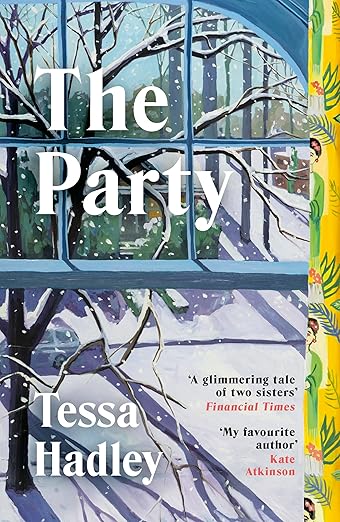
Tessa Hadley is a great writer, and every time I read her I wonder why I’m not a completist for her books. Now, there’s a New Year’s resolution I could actually fulfil!
The Party is only 115 pages, but fully realised due to the astute observation I associate with Hadley. It follows sisters Moira and Evelyn, students living in Bristol, as they navigate young adulthood in the 1970s.
“Anything could happen between now and tomorrow. Evelyn couldn’t believe her luck, that she was going to an actual party – and not just any dull ordinary party but this wild one with her sister’s friends, in half-derelict old pub with a terrible reputation, hanging over the black water in the city docks.”
The Party brilliantly captures a time when young people are trying on who they are, desperate to spread their wings and flourish into something unfamiliar, desperate to stay in the safety of their childhood bedrooms.
“She longed for and feared the moment when she would shed her thick winter coat and reveal herself. To tell the truth she feared everything: part of her wanted to get straight back on the 28 bus and go home.”
The sisters are close in age but not emotionally, as Moira holds herself deliberately apart:
“Moira had made such efforts to transform herself, when they moved down to Bristol, into this controlled, poised young woman. Yet some essence of the fierce bold child persisted in her, and had been diverted into new channels, sexual and personal.”
The titular gathering is both exciting and disappointing. They meet Paul and Sinden, from another world in terms of experience, class and money. Neither of the sisters like these men or finds them attractive, yet a couple of days later when Sinden invites them to Paul’s house, they go.
“Having made a bet with herself – not just for this evening, but for life – on her looks and her wits, she mustn’t falter or look down, she had to carry her performance through.”
There is no nostalgia for youth in The Party, it’s too real. Yet there is compassion, and a tender realisation of coming-of-age from the narrator that the characters don’t recognise, however much they long for it.
“To lose herself properly in a book she had to be crumpled and snug, oblivious of her appearance, scrunched up in an armchair with her shoes off and her legs tucked under her. When she was really reading, she forgot who she was.”
To end, a suitably bittersweet song about people and home changing, but from a band who seem like they know how to enjoy a party:


 madame bibi lophile recommends