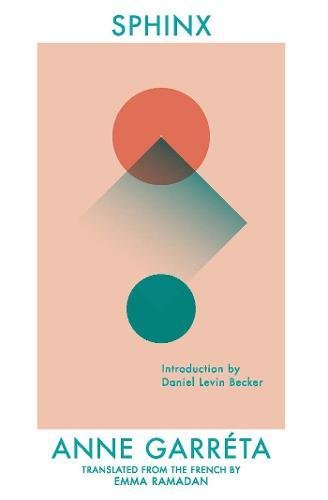
Sphinx – Anne Garréta (2015, trans.Emma Ramadan 2015) 121 pages
Sphinx is a novella which details a young protagonist falling in love with A***. Anne Garréta is a member of the OuLiPo and the particular constraint that she writes to in Sphinx is for both for lover and beloved to be genderless.
The narrator is taken to a club on Place Pigalle where they immediately fall for the charms of the dancer A***. Garréta evokes a seedy and glamorous nightlife that is both enticing and repellent:
“The wheezing of the ceiling fan, the rumble from the nearby stage, the sight of the red velvet sofa covered in holes, burned through buy cigarettes, and the feeling of exile between blue walls defiled with the imprints of dirty hands, brought me all the closer to that single, splenetic feeling so difficult to define: melancholia. I relished it to the point of drunkenness.”
Sphinx is a love story which I felt engages the mind rather than the emotions of the reader. This is because the narrator – although currently working as a DJ – is an academic and seems to approach documenting affairs of the heart in the same way as they would writing a research paper.
“I can’t define A*** as being anything other than both frivolous and serious, residing in the subtle dimension of presence without insistence.”
This includes some overblown, tortured sentences at times:
“Is there anything more vertiginous than gustative reminiscence?”
In her fascinating translators note at the end of the novella, Emma Ramadan explains how the constraints around gender (which is much more demanding for a French writer than an English-language writer) means that this tone needs to be adopted, and then:
“It becomes part of the narrator’s identity – he or she is a rather pretentious bourgeois(e) scholar who does not shy away from praising his or her own intelligence”
So although not overt, there is a thread of humour running through Sphinx, whereby we are not supposed to take the narrator nearly as seriously as they take themselves. And it is a novella that is definitely all about the narrator, not about A***. While limiting the characterisation of A*** serves the constraints around which Sphinx is written, it also succeeds in capturing the self-obsession that can be projected onto a supposed loved one.
“Perhaps I had only ever delighted in my own suffering, which I considered the purification of passions that, deep down I judged as absurd.”
Although Sphinx made me think more than it made me feel, and generally I hope for a reading experience that does both, I did find myself drawn into the narrator’s story, in spite of their distancing voice. I also thought the night-time scene was captured beautifully.
“I was about to turn 23, and for the three years the night crowd had passed before my eyes, I had seen reputations be made and dismantled. I had seen temporary passions transport places and individuals to the apex, and then, burning what they had once adored, those notorious night owls who make up the club scene would abandon them for no apparent reason for other idols destined for glory just as brief.”
 madame bibi lophile recommends