Nights at the Alexandra – William Trevor (1987) 71 pages
Many of you will be aware that Cathy at 746 Books and Kim at Reading Matters are hosting their wonderful A Year with William Trevor reading event throughout 2023.
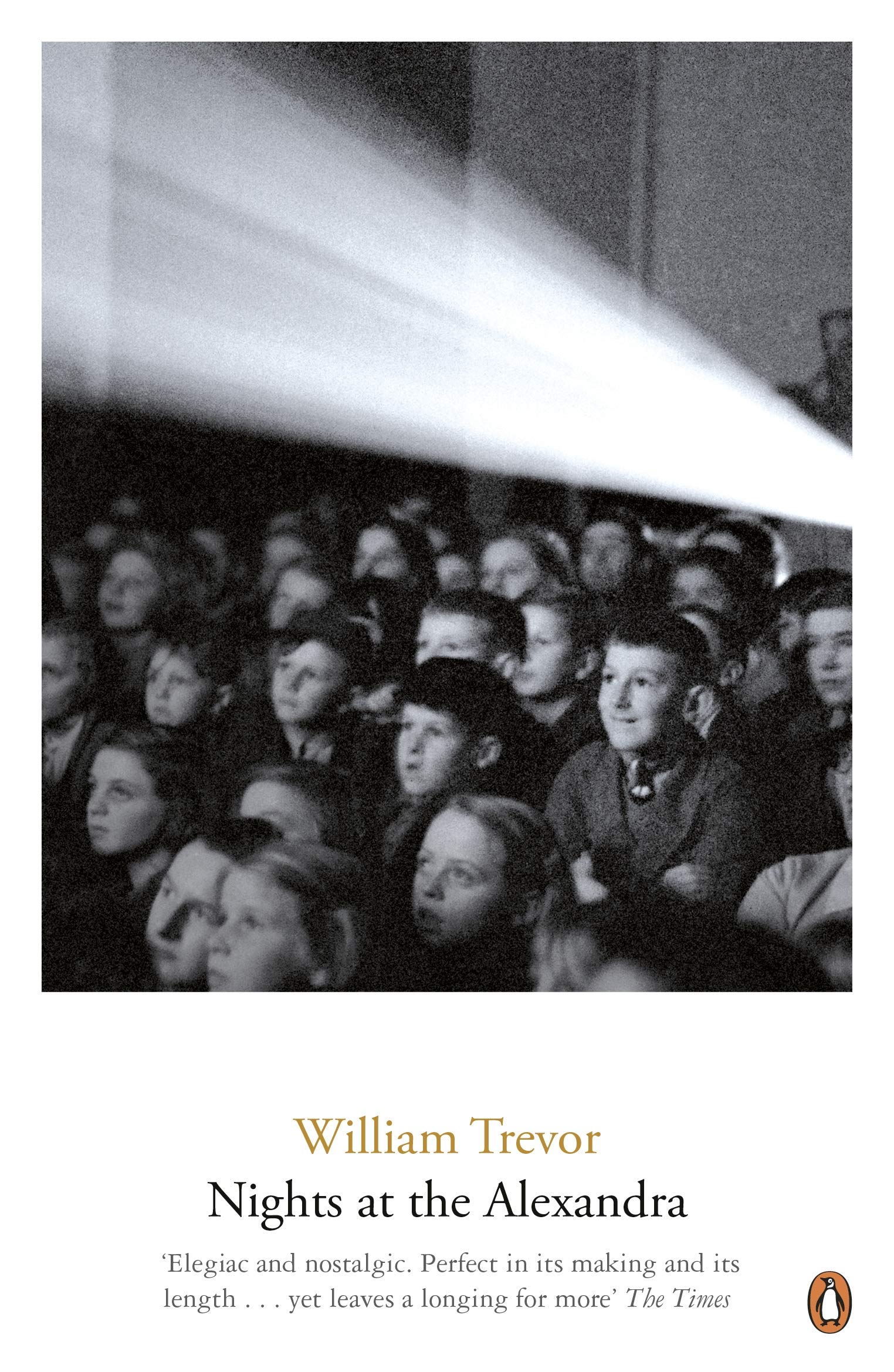
Earlier this month, Cathy reviewed Trevor’s novella Nights at the Alexandra, and it sounded so completely wonderful I knew I’d have to get to it before the end of May. I did and it was all I anticipated.
It opens with 58 year-old Harry remembering his life as a young adult, just about to leave school, during World War II. The Messingers – she English, he German – have moved to Ireland to avoid the prejudice their relationship would encounter in their countries of birth. She is much younger than her husband, and glamourous.
“I remember that more distinctly than any other moment in my life. She was already in the car when she spoke, and her tone of voice was not one normally employed when making a request. With a gentle imperiousness, she commanded what she wished, and before she drove away she glanced at me once, a smile flickering across her thin features.”
Harry is from a Protestant family, living in a Catholic town. He is expected to follow his father into the timberyard business – something his elder sister has already done by working in the office and which she bitterly resents.
“The family atmosphere was as it always was: my grandmothers silent in their dislike of one another, my brothers sniggering, my mother tired. Annie resentful, my father ebullient after an hour or so in the back bar of Viney’s hotel.”
Harry does not want to follow his father in any way. He is desperate for something else, without knowing what it is. The Messingers – particularly Mrs Messinger – with their large house, cigarettes and tea, affection and childlessness, stories and difference, offer this to Harry.
They offer him further escape when Mr Messinger decides to build the titular cinema in the town, named after his wife. Harry is able to have a job, and refuse the timberyard once and for all.
Nights at the Alexandra has such a subtle and finely-wrought tone. The relationships between the characters are beautifully evoked and in less-skilled hands could have easily descended into cliché. Instead Trevor gives us a story of human lives with all their pain and love, longing and helplessness, that somehow grants his characters some peace too. There are also moments of deadpan humour:
“My father lent his observations weight through his slow delivery of them, his tone suggesting revelations of import yet to come. But invariably this promise remained unfulfilled.”
Now, it could be said Reader, that my tears are not worth very much. I’ve always been a crier anyway, and currently I’m bereaved and pre-menopausal, so it doesn’t take much to set me off. But I wept at the end of Nights at the Alexandra. It was so completely realised, so moving and poetic, unsentimental and sympathetic. Perfection.
 madame bibi lophile recommends