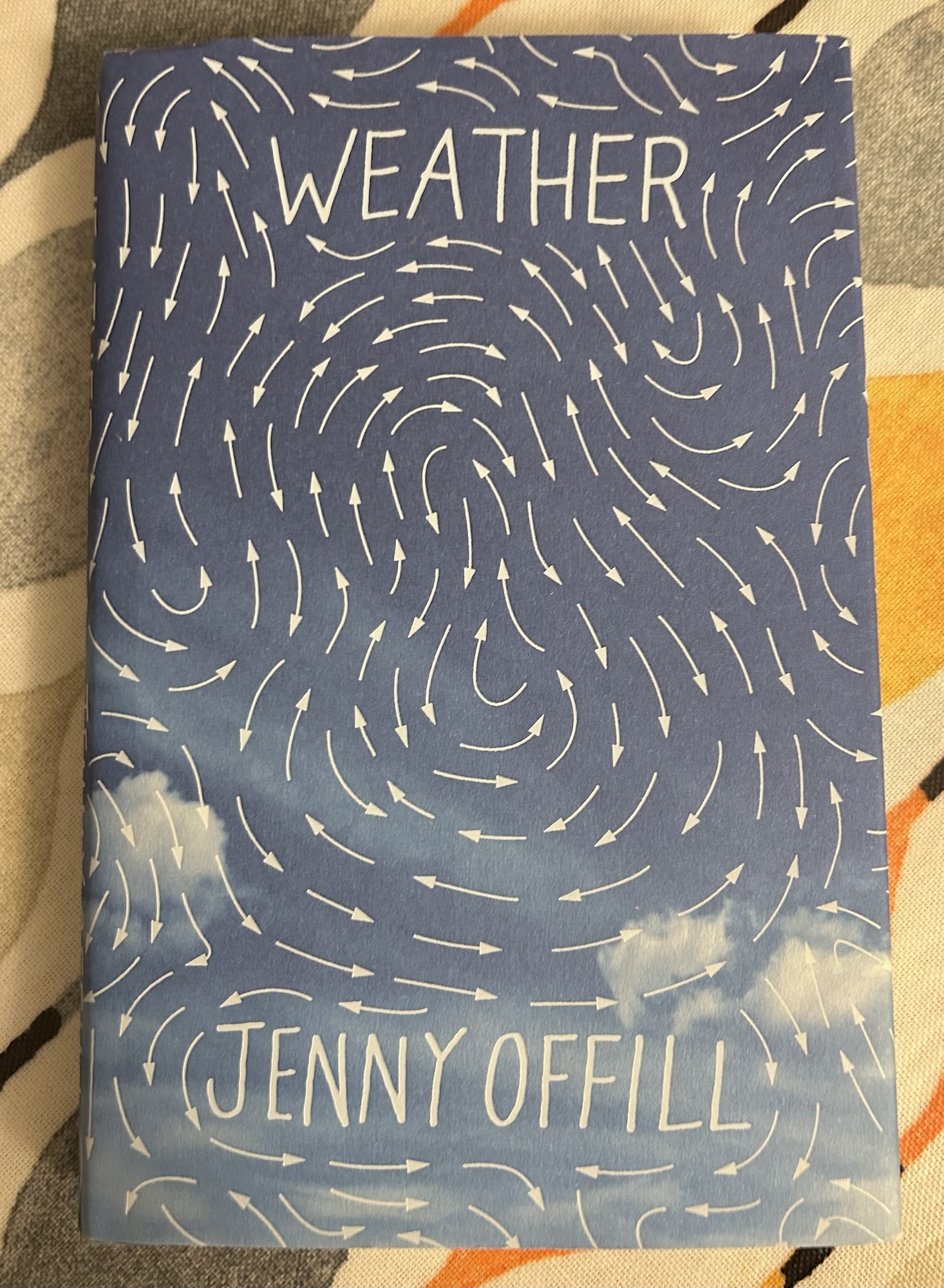
I have broken my self-imposed page limit for defining a novella (70-200 pages) by including Jenny Offill’s Weather, which breaches by one whole page. I regret nothing: I had really enjoyed her Dept. of Speculation when I read it for this project back in 2020 and was pleased to be picking her up again.
Lizzie is a college librarian, looked down upon by other librarians because she doesn’t have formal qualifications. She has a lovely husband Ben, and a son Eli. Her brother Henry, now sober, reappears and her mother rings occasionally causing tensions but nothing extraordinary. Still, family life can be exhausting:
“I’m too tired for any of it. The compromise is that we all eat ice cream and watch videos of goats screaming like women.”
Lizzie takes a job with her old college professor Sylvia, who hosts a podcast about climate change.
“Once I took Eli. We stood and looked at some kind of meadowland. He waited patiently until we could go back to the car.
Children cannot abide a vista, Sylvia said.”
Wading through Sylvia’s email correspondence is heavy-going “I’m really hoping all these people who write to Sylvia are crazy, not depressed.” and in the wake of ongoing environmental destruction and the election of a President whose second term we are now in, Lizzie starts to become a doomsday prepper.
“My book ordering history is definitely going to get me flagged by some evil government algorithm. Lots and lots of books about Vichy France and the French Resistance and more books than any civilian could possibly need about spycraft and fascism. Luckily, there is a Jean Rhys novel in there and a book for Eli called How to Draw Robots. That’ll throw them off the scent.”
But while Weather is absolutely about anxiety and fear of what is happening now and what will happen in the future, Lizzie’s voice remains witty and self-deprecating:
“Then one day I have to run to catch a bus. I am so out of breath when I get there that I know in a flash all my preparations for the apocalypse are doomed. I will die early and ignobly.”
Like the Dept. of Speculation, Weather is written in a fragmentary style, with the focus primarily on the female narrator. We remain inside her head as she struggles to sustain family life, work, and the wider demands of living now. I thought Offill balanced all of this expertly.
The humour never detracted from the seriousness of the wider issues, but it also carefully portrayed Lizzie trying to find a way to live when the world – both big and small – seems overwhelming.
“My husband is reading the Stoics before breakfast. That can’t be good, can it?”
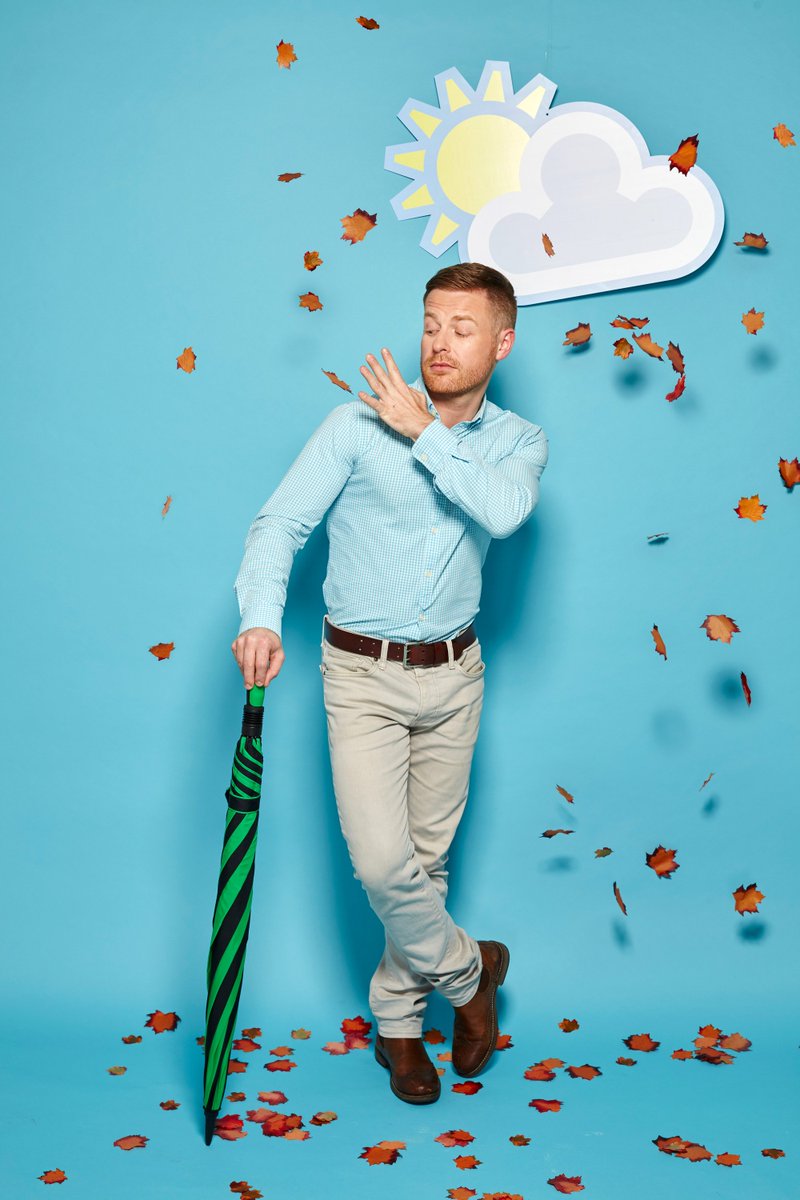
What, in the name of Tomasz Schafernaker, is going on with the weather? (For those of you in countries where this legend doesn’t broadcast, he became my favourite –and I didn’t even know I needed one – when he ended a forecast with: “So, in summary…” then blew a raspberry and gave the thumbs-down. Succinct and accurate, Tomasz.)
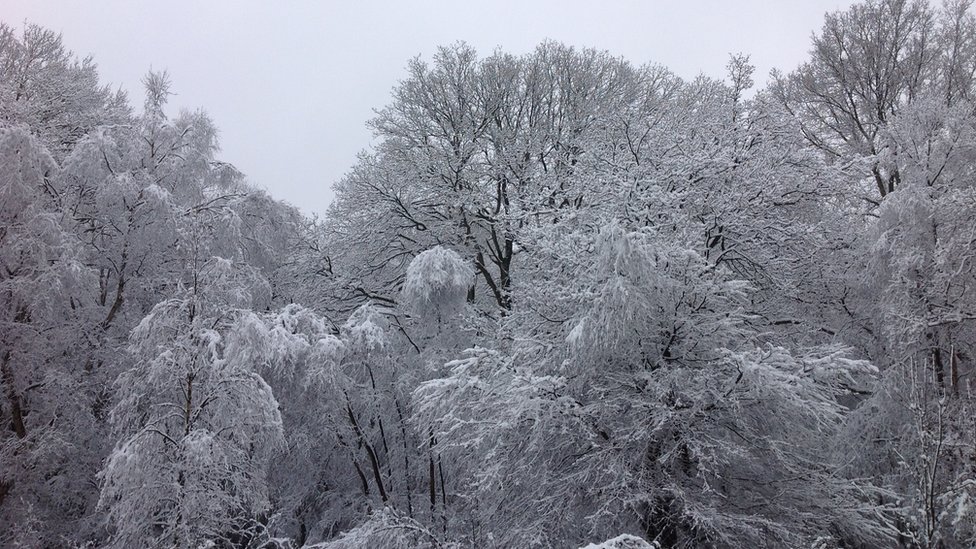
Here in the UK we’ve had a weirdly mild winter, with the exception of 3 days this week which were the seasonal norm, and now we’re back to disconcertingly warm. Meanwhile the east coast of the US has had the worst snow storm in 100 years. This has now passed and apparently skies have brightened, but please stay safe if you are there, reader. To give myself the sense of winter which is lacking here, I thought I would look at 2 snowbound novels. Inevitably, these will not be set in Britain, and so they also represent two more stops on the Around the World in 80 books reading challenge – hoorah! Coincidentally, they are also both collected short stories which do form a sort of narrative, so don’t be put off, short-story-phobes.
Firstly, A Winter Book by Tove Jansson, who I’ve written about before, a Finnish writer who wrote in Swedish, best known for the Moomins but a wonderful writer for adults too. If you’re a fan of Jansson and have read her semi-autobiographical The Sculptor’s Daughter, then you might find this repetitive as the vast number of stories are taken from there. However, if you want to dip a toe into Jansson to see how you get on with her, this is as good a place to start as any.
Much is written from a child’s perspective and Jansson’s independent, stubborn and wonderfully inventive nature shines through. In the story Snow (I’m being resolutely obvious in my choices) she finds herself snowbound with her mother in an unfamiliar house.
“But I said nothing because I didn’t like this strange house. I stood in the window and watched snow falling, and it was all wrong. It wasn’t the same as in town. There it blows black and white over the roof or falls gently as if from heaven, and forms beautiful arches over the sitting-room window. The landscape looked dangerous too. It was bare and open and swallowed up the snow, and the trees stood in black rows that ended in nothing. At the edge of the world there was a narrow fringe of forest. Everything was wrong.”
Jansson’s world is small, yet enormous. Much is set on her beloved island of Klovharu, and in Snow this is narrowed down to a single house, yet with her child’s imagination, it becomes a fairytale, in the Grimm sense, with a feeling of unreality and menace.
“Next morning the daylight was green, underwater lighting throughout the room. Mummy was asleep. I got up and opened the door and saw that the lamps were on in all the rooms although it was morning and the green light came through the snow which covered the windows all the way up. Now it had happened. The house was single enormous snowdrift, and the surface of the ground was somewhere high up above the roof.”
Jansson’s style is simple and pared back, which I think makes it all the more wonderful. It captures a child’s voice without artifice and is dramatic in its directness.
There is a similar sense of surreal wonder in The Iceberg, a delightful story where the young girl spots an iceberg floating nearby with a grotto hollowed out of it:
“My hands and my tummy began to feel icy-cold and I sat up. The grotto was the same size as me, but I didn’t dare to jump. And if one doesn’t dare to do something immediately, then one never does it.
I switched on the torch and threw it into the grotto. It fell on its side and lit up the whole grotto, making it just as beautiful as I had imagined it would be. …it was so unbearably beautiful that I had to get away from the whole thing as quickly as possible, send it away, do something! So I sat down firmly and placed both feet on the iceberg and pushed it as hard as I could It didn’t move.
‘Go away!’ I shouted. ‘Clear off!’”
This magical, humorous tale is pure Jansson: a truly memorable delight.
Secondly, A Country Doctor’s Notebook by Mikhail Bulgakov, a collection of his stories about being a newly-qualified doctor in an isolated practice, serving poverty-stricken rural Russian workers.
“The nearest street lamps are thirty-two miles away in the district town. Life there is sweet: it has a cinema, shops. While the snow is whirling and howling out here in the open country, there on the screen no doubt, the cane-brake is bending to the breeze and palm trees sway as a tropical island comes into view….”
He is the only doctor in the practice and finds himself woefully underprepared, his distinction in exams teaching him nothing about how to do his job.
“I tried to talk evenly and gravely, and to repress impulsive movements as far as possible, to walk and not run as twenty-four-year-olds do who have just left university. Looking back, I now realise that the attempt did not come off at all…I had been shown round the hospital and was left in no doubt whatever that it was generously equipped. With equal certainty I was forced to admit (inwardly of course) that I had no idea what many of these shiny, unsullied instruments were for.”
Jon Hamm and Daniel Radcliffe in the 2012 TV adaptation
Living in fear of a patient presenting with a strangulated hernia, Bulgakov somehow manages to muddle through, and actually seems to make a fairly decent doctor despite his own fear and misgivings: “I thought to myself: ‘What am I doing? I shall only kill the child.’ But I said: ‘Come on, come on – you’ve got to agree! You must! Look, her nails are already turning blue.”
Bulgakov’s writing throughout these stories might surprise fans of his surrealist masterpiece The Master and Margarita, as it is a determinedly realistic and linear narrative. However, it is bleak, funny, highly readable, and there are a few hints of what was to come once Bulgkov gave up his medical practice and turned all his attention to writing…
“Outside was a sight I had never seen before. There was no sky and no earth – only twisting, swirling whiteness, sideways and aslant, up and down, as though the devil had gone mad with a packet of tooth powder.”
To end, unapologetically cute footage of Japanese snow monkeys warming up in hot springs:

 madame bibi lophile recommends